

Imagine cruising out of Belleview on SE Abshier Blvd and suddenly feeling your Honda hesitate or die—not at a stop sign, but on the road. That’s when a failing fuel pump could be pacing behind the wheel. In this guide, you’ll learn how to spot the key Honda fuel pump symptoms, understand why they happen, and explore a proven repair process—all helping avoid being stranded and minimizing repair costs.
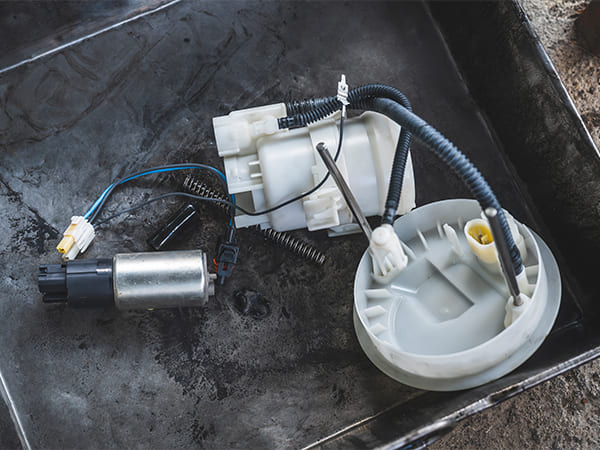
Fuel Pump Facts for Honda Owners
The fuel pump is basically your Honda’s lifeblood—it moves gasoline from the tank to the engine under precise pressure. In modern Hondas, it’s usually an electric pump submerged in the tank, built for reliability and longevity—often exceeding 100,000 miles. But even well-built parts wear out, especially when signs of failure go unnoticed.
Spotting the Key Symptoms of a Failing Honda Fuel Pump
Fuel pump issues don’t usually start with a dramatic breakdown—they creep in gradually. At first, your Honda might just feel “off,” especially during acceleration or long drives around Belleview. Over time, these subtle signs can snowball into serious drivability problems, including complete engine failure. Here’s what to look (and listen) for:
- Struggle to Start (or No-Start)
You may hear the engine crank but it won’t catch. Sometimes, multiple tries are needed before it fires up—often a sign the pump isn’t maintaining fuel pressure.
- Hesitation or Sputtering
At highway speeds or when climbing hills, the engine might stumble, hesitate, or briefly lose power due to fuel starvation.
- Power Loss Under Acceleration or Load
Pressing the gas feels underwhelming. When the pump can’t deliver enough fuel, the engine loses its ability to respond properly.
- Engine Stalling at Idle or While Driving
Your vehicle might randomly stall at red lights or even while driving. This happens when the pump heats up and temporarily fails.
- Whining or Whirring from the Fuel Tank
A high-pitched noise from beneath the rear seat could be the pump motor struggling—especially if it continues more than a few seconds after start-up.
- Decreased Fuel Economy or Engine Misfires
Poor fuel pressure leads to inefficient combustion, causing rough idles, misfires, or sudden surges.
These symptoms often intensify with heat and time. Acting quickly when they appear can prevent being stranded—and help preserve your Honda’s long-term health.
Proven Diagnostic & Repair Process
- Preliminary Checks: Start with listening near the fuel tank for unusual hums and check engine trouble codes.
- Measure Fuel Pressure: Use a gauge at the injector rail, comparing against Honda specs—low pressure confirms pump issues .
- Inspect Electricals: Verify power supply and ground to the pump, as wiring faults are common culprits.
- Fuel Filter Assessment: A clogged filter can mimic pump failure—filter replacement comes first.
- Pump Replacement (If Needed): If tests confirm pump failure, proceed with safe removal and install a quality OE or OE-equivalent unit.
- Post-Repair Test Drive: Confirm restored power, clean operation, and noise-free driving.
Benefits for Belleview Honda Drivers
Fuel system problems rarely fix themselves—ignoring early symptoms can turn a manageable repair into a costly emergency. Taking action early delivers multiple payoffs, from smoother drives to better mileage. Here’s what Belleview drivers stand to gain by staying ahead of fuel pump issues:
| Benefit | What It Means for You |
| Reliability | Reduces the risk of sudden breakdowns or no-start situations—especially in hot weather. |
| Safety | Eliminates engine hesitation during merges or hill climbs, protecting driver and passengers. |
| Efficiency | Preserves fuel economy and ensures your engine performs at its best. |
| Cost Control | Replacing a faulty pump early (around $400–$900) is far cheaper than repairing fuel-starved engine damage. |
Don’t wait for a complete failure. Proactive service keeps your Honda running clean and strong—while saving you time, stress, and money in the long run.
Belleview Accord Rescue
A local 2014 Honda Accord with around 130k miles came in after stalling on the highway. Symptoms included difficult starts and intermittent stalls. Inspection revealed:
- A distinct whining from the tank
- Failed pressure test showing half the required PSI
- After replacing the pump and filter, the car drove smoothly, started strong, and no longer stalled—even under heat.
Fuel Pump Longevity & Risks
- Most electric in-tank pumps are engineered to last well past 100,000 miles.
- Common signs like sputtering, engine surging, whining from the tank, and stalling are prime symptoms of pump issues.
- Case observers on forums emphasize the sudden nature of failure—“came out to no start” situations are not uncommon.
Catch the Quiet Signs Before They Leave You Stranded
Fuel pump issues often begin with small clues and escalate fast. Monitoring symptoms—like whining from under the rear seat, sputtering under load, or trouble starting—and acting quickly on diagnostics like pressure testing or electrical checks can save Belleview Honda owners from inconvenient and expensive breakdowns.
If your Honda is showing signs like hesitation, strange noises from the tank, or difficulty starting, feel free to drop by or give us a call. We’re nearby and happy to run a no-pressure fuel system check whenever you’re ready.
Curious whether your Honda needs fuel system attention? Gregg Smith Automotive offers thorough diagnostics and expert pump replacements—no hard selling, just dependable care to keep you cruising confidently in Belleview.
FAQs: Honda Fuel Pump Concerns Answered
1. How long does a Honda fuel pump typically last?
Most in-tank pumps are built to last beyond 100,000 miles, provided you don’t frequently run on low fuel .
2. Can I sneak by with a failing fuel pump?
Short-term—you might manage. But hesitation, stalling, or weak acceleration are signs that should be fixed ASAP to avoid total pump failure.
3. Why do I hear a whining noise from the rear of my car?
That’s usually the pump motor straining under load or nearing failure. If it persists beyond a few seconds after startup, have it checked .
4. Does replacing the fuel filter solve pump issues?
Not always— a clogged filter can mimic pump issues. Always diagnose pressure before swapping parts.
5. Can I replace the fuel pump myself?
It’s risky—fuel system repairs involve fire hazards. We recommend having a pro do it, ensuring electrical and tank safety.