

Caught off guard by your Honda refusing to start on a hot Belleview morning? You’re not alone—starter motor problems are among the top reasons vehicles fail to fire, especially in older models and hot climates. Whether you drive a Civic, CR-V, or Accord, understanding Honda starter motor issues can save you from being stranded on SE Maricamp Road.
In this guide, you’ll learn to identify starter symptoms, understand repair methods, and appreciate why early attention matters in Belleview’s heat. We’ll walk through the diagnosis and replacement process, explore the benefits of fast action, share a real-world case, examine supporting failure data, and answer your FAQs.
Ready to keep your Honda starting smoothly? Let’s dive in.
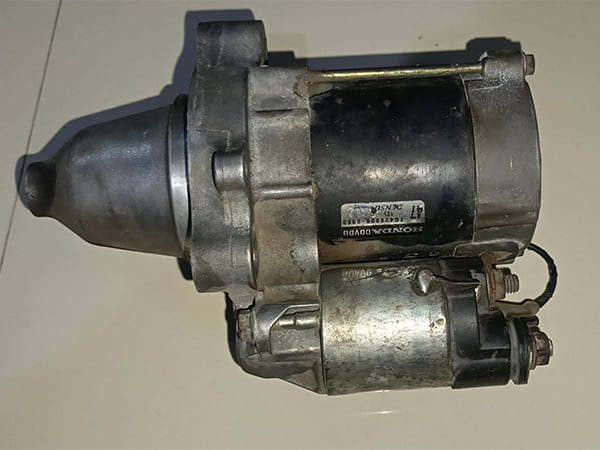
What Powers Your Start: Inside the Honda Starter Motor
The starter motor is the electric motor that cranks your Honda’s engine when you turn the key or push the button. It engages the flywheel via a solenoid and pinion gear. Over time, key parts—such as brushes, solenoid contacts, or bearings—wear out or overheat. In a hot Florida climate like Belleview, high engine bay temps can accelerate wear. A failing starter may crank slowly, click repeatedly, or refuse to engage—leaving you with a vehicle that won’t start and a potentially expensive tow.
How Mechanics Diagnose & Fix Starter Issues
Diagnosing starter motor problems isn’t guesswork—it’s a step-by-step process that separates electrical faults from mechanical failure. Mechanics follow a proven sequence to pinpoint the root cause and ensure your vehicle gets the right fix the first time.
- Symptom Check & Battery Test
If your Honda cranks slowly, clicks, or doesn’t respond at all, the first step is testing the 12V battery. Low voltage (under 12.6V) can mimic starter failure and mislead diagnostics. A quick battery check helps determine whether the issue lies with the battery, wiring, or starter motor.
- Listen & Localize
Sound is one of the quickest indicators of starter problems.
- A single, loud click often points to a faulty solenoid.
- A grinding noise might mean stripped flywheel or pinion teeth.
- Intermittent starting could stem from dirty contacts, heat-related expansion, or grounding issues.
- Voltage Drop Test
This test checks the health of the circuit while attempting to start the vehicle. A weak or failing starter draws excessive amperage, often dimming interior lights or slowing crank speed—classic signs that the motor is overworking or failing internally..
- Visual and Mechanical Inspection
Next, we examine the physical condition of the starter and its supporting components. Oil leaks, cracked mounts, corroded terminals, or damaged wiring can all lead to failure, even if the motor itself is functional.
- Starter Removal & Bench Test
If the issue persists, the starter is removed and bench-tested off the car. Here, we evaluate internal parts like brushes, solenoids, and bearings. Depending on condition, we may recommend rebuilding the unit or replacing it with a remanufactured starter.
- Reinstallation & Verification
After installation, we conduct a final series of tests to verify consistent, crisp cranking and ensure the vehicle starts reliably. This confirms that all symptoms are resolved before the car is returned to the driver.
Why Replacing Your Starter Early Just Makes Sense
- Timely replacement eliminates unreliable starting, reducing the risk of being stuck in a parking lot or roadside—especially during Belleview’s high-heat afternoons when engines are under more stress.
- Prevents collateral damage:
When a starter motor overheats or repeatedly struggles to engage, it can damage surrounding components like the flywheel, wiring harness, or battery terminals, leading to even more expensive repairs down the road. - Saves overall cost:
Replacing a worn starter typically costs $250–$650, which is far more economical than dealing with an emergency tow, diagnostics, and related repairs that can easily exceed $1,000 if the problem escalates. - Improves reliability:
Peace of mind goes a long way—especially on those early Belleview mornings or weekend drives to Ocala. A fresh starter ensures smooth, consistent ignition when you need it most.
Real-World Case: CR-V That Stuttered
A 2010 Honda CR-V came into Gregg Smith Automotive after the customer reported intermittent cranking and overheating smell under the hood. Diagnostic tests showed low current draw and dimming dash lights during start attempts. Inspection found carbon buildup on the solenoid and worn brushes. Our team cleaned contacts, replaced brushes, and resealed the solenoid. The vehicle now starts smoothly every time, and there have been no repeat problems after six months of Florida summer driving.
Starter Failure Stats Every Honda Owner Should Know
- Studies show starter motors often fail between 30,000–60,000 cycles, especially in high heat.
- A European study of 150 urban-distribution vehicles found starter brush and bearing wear were leading causes of failure—about 1.3 failures per starter in ~200,000 km use.
- Industry sources note that loose grounds or solenoid contact issues can cause intermittent starting—cleaning or repairing these often restores function.
Frequently Asked Questions
1. How long should a Honda starter last?
Typically 75,000–150,000 miles, depending on driving style, climate, and battery health. Hot conditions accelerate wear.
2. Why does my starter click but not crank?
Usually due to a weak solenoid or insufficient current. Could be worn contacts or voltage drop. A proper test can pinpoint it.
3. Can a bad alternator cause starter issues?
Indirectly—if the battery isn’t charged, the starter draws inadequate current. However, symptoms usually point to battery first.
4. Is an intermittent starter always electrical?
Not always—could be mechanical like worn bearings, stuck pinion, loose ground strap, or friction in the bendix.
5. Can my Honda be towed if the starter fails?
Yes—if the starter fails completely, your vehicle can roll or be towed in neutral. It’s safer to repair before it leaves you stranded.
RReady to Start Smoothly? Early Action is a Smart Move
Starter motor trouble doesn’t have to leave you stranded. Recognizing early symptoms and seeking timely repairs can keep your Honda running reliably—even in Belleview’s heat. Whether cleaning contacts or replacing the unit, proactive service saves money, safety, and time.
At Gregg Smith Automotive in Belleview, we specialize in diagnosing and repairing Honda starter motor issues—from cleaning solenoids to installing OEM-quality replacements. Concerned about your CR-V or Civic’s starting habits?
Schedule a starter inspection today, or call us now—let us help you start confidently, every time.
Detect early starter issues, act before they escalate, and trust Gregg Smith Automotive to keep your Honda starting smoothly—ride confidently in Belleview.