
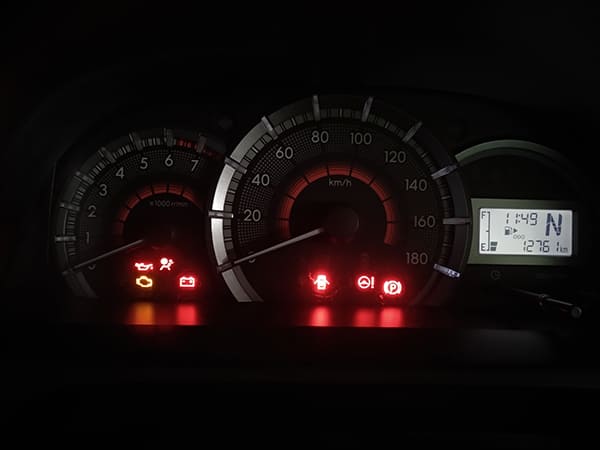
Toyota dashboard warning lights are crucial indicators of your vehicle’s health. Understanding what each symbol means can help you address issues early, avoid costly repairs, and ensure your safety. This guide breaks down the most common warning lights found in Toyota models, how to interpret them, and the best steps to take in Belleview, FL.
Why Understanding Toyota Dashboard Warning Lights Matters
When your Toyota’s dashboard lights up, it’s basically your car trying to tell you something’s up. It could be something simple like needing an oil change or a serious problem that could lead to a breakdown. Pay attention to those warnings right away—it’s the best way to prevent huge repair bills and keep everyone safe.
Your car reacts to the Belleview climate just like you do. Keep a close eye on those warning icons to stay safe when the weather turns sour.
How Toyota Dashboard Warning Lights Work
Think of your Toyota’s dashboard as its way of talking to you. It has a super smart network of sensors watching over everything—engine, brakes, transmission, you name it. If one of those sensors spots something amiss, a warning light pops up to tell you, “Hey, something needs attention!”
These lights are color-coded for urgency:
- Red lights signal critical issues requiring immediate attention, like the engine or oil pressure.
- Yellow/orange lights are cautionary, indicating a need for service soon, such as for the tires or brakes.
- Green/blue lights are informational, indicating that a system is on or operating normally, like the headlights or cruise control.
Common Dashboard Warning Lights in Toyota Vehicles
Here are a few common warning lights you might see on your Toyota’s dashboard:
1. Check Engine Light (CEL)
That glowing dash icon warns of trouble with your motor. It often points to a failing exhaust part or a dirty sensor. Don’t panic yet. While a loose gas cap is common, serious engine misfires often trigger the same warning.
2. Oil Pressure Warning Light
This red light comes on when your Toyota’s oil pressure is low. Ignoring this warning can lead to engine damage due to insufficient lubrication.
3. Battery Charge Warning
When this yellow light appears, it typically signals an issue with the charging system—perhaps the alternator or battery. If ignored, you could face a dead battery or electrical system failure.
4. Brake Warning Light
That red warning light points to a mechanical failure. It usually means your brake fluid dropped too low or your hardware is worn down.
5. Tire Pressure Warning Light
If you see this amber warning, check your tire pressure. Soft tires create a safety risk and drag down your miles per gallon.
Symptoms vs. Real Causes
A minor dashboard light could signal a deeper problem. That glowing Check Engine light often points to a bad oxygen sensor or a clogged catalytic converter. Fixing a machine requires knowing if a light means a low fluid level or a broken sensor. That glowing tire icon often signals a slow leak, a simple flat, or a total blowout. Since the Belleview sun is brutal on rubber, your tires will lose air. Check them every week.
What Happens if a Warning Light is Ignored?
You should never brush off a dashboard alert. Don’t ignore that dashboard light just to stay on schedule. Catching a leak early prevents the kind of heavy damage that sidelines your car for weeks. Ignoring a basic low pressure warning often results in a dangerous highway blowout. Leaving that oil light on often leads to total engine failure.
Red Lights: Immediate Action Needed
If a red light, such as the oil pressure or brake warning, comes on, you should stop the vehicle as soon as it’s safe to do so and seek professional assistance. Continuing to drive with critical issues can lead to total system failure and higher repair costs.
Yellow/Orange Lights: Address Soon
While these lights don’t require immediate stops, they should not be ignored. They typically signal issues that may escalate if left unresolved. For example, a malfunctioning engine can lead to decreased performance, increased fuel consumption, and eventually, more costly repairs.
Preventive Measures and Best Practices
The best way to prevent the appearance of warning lights—or to minimize their impact—is through regular maintenance. In Belleview, FL, where heat and humidity can be tough on vehicles, regular checks on your oil, tires, and battery are essential. Here are some preventive tips:
- Check Fluid Levels Regularly: Low oil or coolant levels can trigger various warning lights. Regularly checking and topping off fluids can help avoid major engine issues.
- Tire Maintenance: Keep your tires properly inflated and inspect them for damage. This not only improves fuel efficiency but also prevents tire-related warning lights from coming on.
- Schedule Regular Inspections: At Gregg Smith Automotive, we recommend having your Toyota inspected at regular intervals to catch potential issues before they lead to a warning light.
Cost and Downtime Implications
Addressing dashboard warning lights early often saves money in the long run. A small repair, like fixing a tire puncture, is far less costly than dealing with a blowout on the road. Similarly, addressing oil pressure issues early on can help prevent major engine damage, which is much more expensive and time-consuming to repair.
Ignoring these warning lights can also lead to unplanned downtime. In Belleview, FL, having a car out of commission for an extended period can be particularly inconvenient, especially if you rely on your vehicle for daily tasks. Regular maintenance ensures fewer surprises and smoother operations.
Stay Proactive and Safe
Understanding and addressing Toyota dashboard warning lights is a key part of responsible vehicle ownership. By staying vigilant and scheduling regular maintenance, you can avoid costly repairs and keep your car running smoothly. Remember, timely intervention is always cheaper and safer than letting an issue escalate.
For residents of Belleview, FL, being proactive about vehicle maintenance ensures peace of mind and a safer driving experience.
Why Professional Help Matters
While some Toyota warning lights might appear simple to address, others require professional expertise. If you’re in Belleview, FL, and find yourself unsure about a warning light, Gregg Smith Automotive is here to help. With years of experience in automotive diagnostics and repair, our team is ready to provide accurate assessments and reliable fixes for your Toyota’s needs.
Feel free to contact us for a thorough check-up on your vehicle, and we’ll make sure everything is in good working condition.
FAQs
What should I do if my check engine light comes on?
If the check engine light appears, it’s best to have your car inspected by a professional as soon as possible. It could be a minor issue, but it might also signal a significant engine problem.
How can I prevent my tire pressure warning light from coming on?
Check your tire pressure regularly, especially during temperature fluctuations. Hot weather can cause tires to lose pressure more quickly, especially in Florida’s climate.
Can I continue driving with the brake warning light on?
No, driving with the brake warning light on could mean a serious issue with your braking system. It’s essential to stop and have it checked immediately.
How often should I schedule maintenance to avoid warning lights?
For most Toyotas, a yearly inspection is recommended, but you should also check specific systems like tires and oil every few months, especially in hot climates like Belleview.
What happens if I ignore my Toyota’s warning lights?
Ignoring warning lights can result in bigger, more expensive problems. It can also compromise your safety and the safety of others on the road.