

Driving around Belleview or the greater Marion County area in your Acura? If your ABS warning light comes on, you’re not alone—and understanding the ins and outs of ABS system issues can save you stress (and repair costs) down the line. In this post, we’ll dive into what the ABS system actually is, why it matters, common faults in Acuras, how to diagnose and fix them (especially locally here in Belleview), and finish with a case‑study plus data‑backed tips.
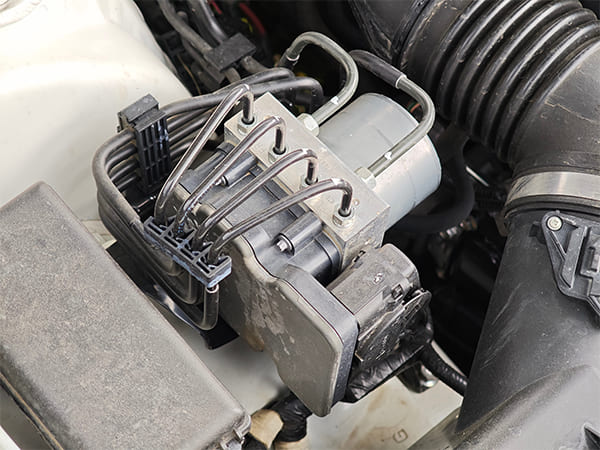
What is the ABS system in your Acura?
The anti‑lock brake system (ABS) is designed to prevent wheel lock‑up during hard braking, especially on slippery surfaces. In an Acura, the ABS works alongside the brake hydraulic system, wheel speed sensors, and a control module to monitor each wheel’s rotation. When the system detects a wheel is about to lock, it modulates brake pressure so you maintain steering control.
Here’s how it works, step by step:
- Each wheel has a wheel speed sensor (sometimes called a tone ring or reluctor + sensor) that measures how fast the wheel is turning.
- That sensor sends data to the ABS control module. If one wheel slows dramatically (indicating a lock‑up condition), the module triggers the ABS pump/valves to reduce and release brake pressure rapidly.
- You’ll often feel the brake pedal “pulsate”—that’s the system doing its job. The system also influences the traction control or stability control systems in many Acuras.
Because Belleview’s roads can sometimes be damp (morning dew, Florida humidity, occasional showers), keeping the ABS system in good working order is especially valuable for safe braking and steering control.
Why Is It Important For Drivers In Belleview, Fl?
Beyond the general safety benefit, here are region‑specific reasons why your Acura’s ABS matters:
- Florida’s vehicle landscape:
- Many drivers in Belleview commute to nearby Ocala, Summerfield or engage in errands on rural routes and subdivision roads. Sudden braking might occur due to wildlife (yes, even here), bicyclists, or changing road conditions. The ABS helps you maintain control rather than skid.
- Many drivers in Belleview commute to nearby Ocala, Summerfield or engage in errands on rural routes and subdivision roads. Sudden braking might occur due to wildlife (yes, even here), bicyclists, or changing road conditions. The ABS helps you maintain control rather than skid.
- Climate & humidity:
- High humidity and occasional standing water can reduce tire grip. When that happens, ABS can make the difference between stopping cleanly or locking up and sliding.
- High humidity and occasional standing water can reduce tire grip. When that happens, ABS can make the difference between stopping cleanly or locking up and sliding.
- Vehicle age matters:
- Many Acuras in the area may be 8‑15 years old, meaning wear‑and‑tear on sensors, wiring, and modules is more likely. Proactive awareness is key.
- Many Acuras in the area may be 8‑15 years old, meaning wear‑and‑tear on sensors, wiring, and modules is more likely. Proactive awareness is key.
Common Acura ABS Issues: What They Mean
ABS problems in Acuras usually come down to four key culprits:
1. Faulty Wheel Speed Sensors
These sensors monitor wheel rotation and can fail due to wiring damage, contamination, or rust on the tone ring. Signs include:
- ABS and traction control lights
- Normal braking, but no ABS activation
- Diagnostic codes pointing to a specific wheel sensor
2. Low Brake Fluid or Hydraulic Issues
Low fluid levels or small leaks can trigger ABS warnings. Watch for:
- ABS and brake lights
- Soft or deep brake pedal
- Low fluid in the reservoir
3. ABS Module or VSA Unit Failure
The control module may fail, especially in older Acuras or those exposed to heat and moisture. This can lead to communication errors or valve faults, often requiring more costly repairs.
4. Wiring or Tone-Ring Damage
Sensor wiring near wheels can be damaged during brake or bearing jobs, or corrode from Florida’s humidity. Even small alignment issues can disrupt the signal and disable the ABS system.
Belleview Case Study: Quick Fix Beats Costly Repair
Vehicle:
2010 Acura TSX, 110K miles, ABS light on
Findings:
Left rear sensor fault due to rusted tone-ring and stretched wiring from recent rotor replacement
Fix:
Cleaned tone-ring, replaced sensor, secured wiring, topped brake fluid
Result:
ABS light off, system fully restored
Lesson:
Catching small ABS issues early—especially in Belleview’s humid climate—can prevent major module replacements.
Supporting Data & Practical Fix Tips for Belleview Drivers
- According to technical resources, wheel speed sensors are a frequent cause of ABS warnings: “If dirt is present, clean the contact surface … inspect the connectors and wiring.”
- Another blog notes four common causes of ABS light: module malfunction, low fluid, broken speed sensors, system turned off.
Local tip list for Belleview driving context:
- ✅ Check brake fluid level every major service. Even if you haven’t noticed any brake performance drop, low fluid may trigger ABS faults.
- ✅ Inspect wheel sensors and wiring after any brake or bearing work. In Florida’s humidity and road‑salt‑spray (from storms) environment, tone‑rings can corrode.
- ✅ Address ABS lights early. While the regular brake system will continue to function, without ABS you lose the added safety of anti‑lock control—especially problematic for sudden stops on wet Belleview roads. One source states: “Is it safe to drive with the ABS warning light on? … the car should still have its normal braking function. However, without the ABS, your wheels can lock up during hard braking.”
- ✅ If multiple lights come on (ABS + VSA or traction control), suspect a module or wiring issue rather than just a single sensor.
- ✅ Use a qualified local shop with scan‑tool capability. Diagnosing ABS faults may require live data and proper tools; generic auto parts chain diagnostics may not catch intermittent wiring issues or tone‑ring faults.
Smart Action for Your Acura
If you drive an Acura in Belleview and notice the ABS warning light, treat it as a safety‑feature alert—not just an inconvenience. From wheel‑speed sensors to brake fluid and control modules, the issues often fall into mappable patterns and can be proactively addressed. By taking action early you’ll maintain the full benefit of your vehicle’s ABS system, keep better control during sudden stops, and avoid more costly module repairs later.
If you’re looking for expert diagnosis or a trustworthy partner to check your Acura’s ABS system, connect with Gregg Smith Automotive—we’re here to help and guide you back to safe, confident braking.
👉 Ready to deep‑dive into your Acura’s ABS system? If you’d like help diagnosing or scheduling an inspection in Belleview, FL, reach out to Gregg Smith Automotive today. And while you’re here, browse our related articles to learn about brake pad wear, wheel bearing maintenance and traction control system care.
Frequently Asked Questions
1. Why is my Acura’s ABS light on but brakes feel normal in Belleview?
- The light indicates the ABS system has detected a fault (e.g., sensor issue) and disabled itself. Normal hydraulic braking still works, but anti‑lock functionality may not.
2. Can I drive my Acura in Belleview with the ABS light on?
- Technically yes, but it’s not recommended if you face wet roads or emergency braking. Without ABS, wheels can lock and you may lose steering ability. Address the issue promptly.
3. My Acura’s ABS light came on after a brake job in Ocala — is that normal?
- It can be. After brake or bearing work, wheel‑speed sensors or tone rings may have been disturbed, wiring might be stretched, or the gap may be off. Re‑inspect sensor, wiring and tone‑ring. Forum posts confirm this scenario.
4. How much does it cost to fix common Acura ABS issues near Belleview, FL?
- Sensor replacements or wiring fixes are relatively low cost compared to full module repair. Module replacement or rebuild can cost significantly more, particularly on newer models (e.g., ILX repair services quote several hundred dollars for modules).
5. Are certain Acura models more prone to ABS module failure in our area?
- Yes—some models such as the 2012‑18 Acura ILX have documented ABS/VSA module failures, including internal wiring faults and pump issues. If you own one of these, be aware of the issue and keep an eye on ABS, VSA or traction system lights.