

Picture this: you’re heading out on a beautiful day in Belleview, but when you try to start your Honda, the battery is dead. It’s frustrating, especially if you’ve had no prior warning. Battery drain is a common issue that many Honda owners face, but what causes it?
In this article, we’ll explore the most frequent Honda battery drain causes and help you understand why your car’s battery is draining faster than it should. From faulty alternators to parasitic draws, we’ll walk you through the diagnostic process and share a real-life example from a Belleview driver. By the end, you’ll know how to identify and fix battery drain issues early, saving you time and money in the long run.
Stay tuned to learn about the common signs of battery drain and the steps you can take to ensure your Honda runs smoothly for years to come.
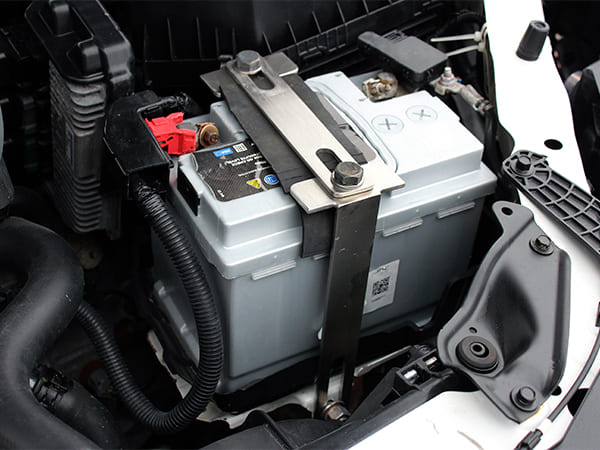
What Are the Common Honda Battery Drain Causes?
Battery drain occurs when the battery loses power faster than it can recharge. In many cases, this is a sign that something isn’t functioning properly in the vehicle’s electrical system. Here are some common causes of battery drain in Honda vehicles:
1. Faulty Alternator
Your Honda’s alternator is responsible for recharging the battery while the engine runs. If the alternator isn’t working properly, the battery doesn’t get charged, leading to a drain. You may notice your headlights dimming or your battery light coming on while driving.
2. Parasitic Drain
A parasitic drain happens when components of the vehicle continue to draw power even when the car is turned off. Common culprits include the car alarm, interior lights, or a malfunctioning radio. If these accessories don’t turn off when they should, they can drain the battery.
3. Battery Age
As batteries age, their ability to hold a charge decreases. A battery that’s several years old may not provide sufficient power to start the car, leading to frequent dead battery issues. In Florida’s hot climate, batteries tend to degrade faster due to the heat.
4. Loose or Corroded Battery Connections
Loose, corroded, or dirty battery terminals can interrupt the electrical flow from the battery, causing it to drain more quickly. Corrosion can create resistance to the flow of electricity, making it harder for the battery to deliver power.
5 Faulty Electrical Components
If there’s a malfunction in any of the electrical components, such as the ignition switch, alternator, or voltage regulator, it can lead to a continuous drain. Faulty wiring or short circuits in the electrical system can also drain the battery, often without warning.
How to Identify and Repair a Parasitic Battery Drain
When you bring your Honda in for a battery drain diagnosis, here’s what the process typically involves:
Step 1: Battery and Alternator Testing
A certified technician will first test the battery to check its charge level. They’ll also test the alternator’s functionality to see if it’s properly recharging the battery. If either of these components is faulty, it will need to be replaced or repaired.
Step 2: Checking for Parasitic Drain
Next, the technician will perform a parasitic draw test. This involves disconnecting the battery and using a multimeter to measure the current draw from the electrical system. The technician will identify if any components are consuming power when the car should be off.
Step 3: Inspecting the Electrical System
If no clear issues are found with the battery or alternator, the mechanic will inspect the electrical components for faults. This includes checking the fuses, wiring, and connections. They will look for any worn-out parts that could be causing an unnecessary drain.
Step 4: Repair or Replacement
Once the cause is identified, repairs or replacements will be made. For example, if the alternator is faulty, it will be replaced. If it’s a parasitic drain from the car alarm, the technician will fix the wiring or reset the system. In the case of a corroded battery terminal, cleaning or replacing the terminal will be necessary.
Step 5: Final Testing
After repairs are made, the vehicle will undergo a final test to ensure that the battery is charging correctly and that the electrical system is functioning properly. The technician will also check that there’s no longer any parasitic drain, and the battery holds a charge.
Why Timely Diagnosis and Repair Are Essential
Addressing battery drain causes promptly is crucial for several reasons:
1. Prevents Further Damage
If the root cause of the battery drain is not addressed, it can lead to further damage to the battery, alternator, and other electrical components. Ignoring a malfunctioning alternator, for example, could cause the entire electrical system to fail.
2. Saves You Money
Fixing battery drain issues early can save you from more expensive repairs down the line. A dead battery might be the symptom, but the cause could be something more complex, such as a faulty alternator or parasitic drain. Fixing the root cause early prevents more expensive replacements in the future.
3. Keep Your Honda Reliable
A well-maintained battery and electrical system ensure that your Honda is always ready to start and run when you need it. Regular checks and timely repairs reduce the chances of an unexpected breakdown.
4. Increases Battery Life
By diagnosing and fixing battery drain causes, you extend the life of your battery. Proper care and timely repairs can keep your battery running smoothly for several years.
Real-World Case Study: A Belleview Honda Battery Drain
A local Belleview resident brought in their 2015 Honda CR-V, which was repeatedly having battery issues. The owner reported that the vehicle would start fine in the morning, but by the afternoon, the battery would be dead. They had already replaced the battery twice, but the problem kept recurring.
After testing the battery and alternator, we discovered that the issue wasn’t with the battery itself but rather a parasitic drain caused by a malfunctioning car alarm system. The alarm wasn’t shutting off properly when the car was parked, leading to a continuous battery drain.
We fixed the wiring issue, reset the alarm system, and performed a final test to ensure that the battery was holding a charge. The owner was thrilled to have their Honda running smoothly again, and the battery drain issue was finally resolved.
Climate and Electrical System Factors
According to AAA, battery drain is one of the most common car problems in hot climates like Florida. In fact, studies show that car batteries in warm regions tend to degrade about 25% faster than in cooler climates. This is particularly true for Honda vehicles, which often experience faster battery wear due to their electrical system’s high demand.
Additionally, Consumer Reports states that parasitic drain issues account for nearly 30% of battery problems in modern vehicles. Electrical system malfunctions, including faulty alternators and poor wiring, are common causes of battery drain.
Frequently Asked Questions
1. How do I know if my Honda is experiencing battery drain?
You might notice that your car is hard to start, the battery light on the dashboard is illuminated, or the battery drains overnight.
2. How long does a Honda battery last in hot climates?
In Florida, the heat can shorten the life of a battery. Most batteries last between 3 to 5 years in hot climates, but they may need replacement sooner.
3. Can a car alarm cause battery drain?
Yes, a malfunctioning car alarm or other electrical components can continue to draw power from the battery, leading to parasitic drain.
4. How much does it cost to fix battery drain in a Honda?
The cost depends on the cause of the drain. Replacing a faulty alternator might cost between $300 and $500, while fixing a parasitic drain can be much less expensive.
5. Can I fix the battery drain myself?
If you have the right tools and knowledge, you can check for a parasitic drain using a multimeter, but diagnosing and fixing the root cause often requires a professional mechanic.
Solve Your Honda’s Battery Drain Problem with Professional Help
Battery drain can be an ongoing issue if not addressed properly. Whether it’s a faulty alternator, parasitic drain, or aging battery, early diagnosis and repair are key to preventing major damage and ensuring your Honda runs smoothly. If you’re in Belleview and experiencing battery drain issues, don’t wait for the problem to worsen—getting it diagnosed early will save you time, money, and frustration.
If your Honda is experiencing battery drain issues, don’t let it lead to further problems. Visit Gregg Smith Automotive in Belleview for a professional diagnosis and repair. Our experienced technicians will quickly identify the cause and get your vehicle back to peak performance.
Contact us today to schedule your appointment!
For more detailed Honda repair guidelines and expert tips, explore our additional blog posts on Honda maintenance and repair, including Honda Oil Leak Diagnosis and Honda Starter Motor Issues, Symptoms of Honda Wheel Bearing, and more.